
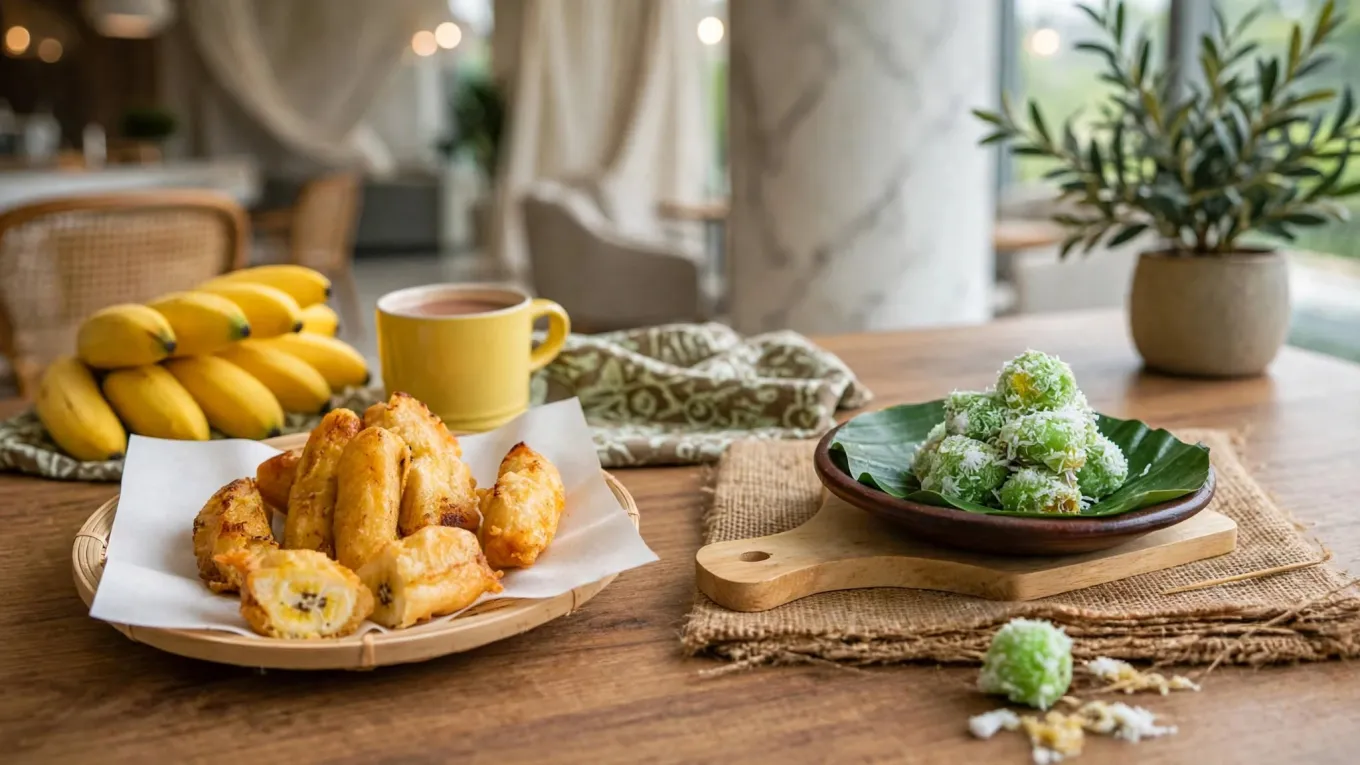
TasteAtlas' list of the 100 Best Desserts in the World. The selection includes Indonesia's pisang goreng and klepon
Southeast Asian cuisine is gaining international recognition as five traditional desserts have been featured in TasteAtlas' list of the 100 Best Desserts in the World. The selection includes Indonesia's pisang goreng and klepon, Thailand's khanom khrok and mango sticky rice, and the Philippines' leche flan.
Pisang goreng, Indonesia's beloved fried banana snack, ranks highest among the five Southeast Asian desserts at 14th place. Thailand's khanom khrok follows at 24th, while Indonesia's klepon ranks 37th, the Philippines' leche flan takes 54th place, and Thailand's mango sticky rice comes in at 64th.
The inclusion of these desserts highlights the culinary diversity of Southeast Asia, a region known for its use of local ingredients, traditional cooking techniques, and distinctive combinations of flavors and textures.
Pisang Goreng and Klepon: Traditional Indonesian Desserts
Pisang goreng ranks 14th on the TasteAtlas list, making it the highest-ranked Southeast Asian dessert among the five featured dishes.This popular Indonesian snack is prepared by coating bananas in batter and deep-frying them until golden and crispy on the outside, while remaining soft and tender inside. Different banana varieties and batter recipes create distinctive flavors and textures across the Indonesian archipelago.
Pisang goreng is deeply rooted in everyday Indonesian food culture. It can be found in traditional markets, neighborhood food stalls, coffee shops, and restaurants that reinterpret local favorites through contemporary culinary presentations.
Indonesia is also represented by klepon, which ranks 37th. These small, green rice cake balls are typically made from glutinous rice flour, colored naturally with pandan or suji leaves, filled with palm sugar, and coated in grated coconut.
Klepon offers a distinctive combination of chewy texture, fragrant pandan, savory coconut, and sweet palm sugar that melts inside when bitten. The dessert demonstrates how simple, locally sourced ingredients can create a memorable culinary experience with a strong cultural identity.
Thailand Showcases Khanom Khrok and Mango Sticky Rice
Thailand contributes two desserts to the list: khanom khrok at 24th place and khao niao mamuang, commonly known as mango sticky rice, at 64th.Khanom khrok is a traditional Thai snack made primarily from rice flour and coconut milk, cooked in a specially designed pan with small circular molds. The result is a bite-sized treat with a lightly cooked exterior and a soft, creamy center, balancing savory and sweet flavors.
Often found at traditional markets and local street-food stalls, khanom khrok reflects Thailand's vibrant snack culture. Its compact size, coconut-rich flavor, and contrasting textures make it a distinctive example of the region's traditional culinary offerings.
Mango sticky rice, meanwhile, combines tender glutinous rice with sweet coconut milk and slices of ripe mango. The balance of sweetness, richness, and refreshing fruit flavors has made it one of Thailand's best-known desserts among both local diners and international visitors.
The dish also demonstrates how tropical fruits and rice-based ingredients can be transformed into a dessert with a harmonious flavor profile.
Read More:
- Jambi City: The Cultural Heart of Sumatra and Gateway to BW Luxury Jambi
- Belitung: Indonesia's Tropical Paradise with Exotic Beaches and Comfortable Stays
Leche Flan: The Philippines' Creamy Caramel Dessert
The Philippines is represented by leche flan, which ranks 54th on the TasteAtlas list. This rich caramel custard is known for its smooth texture and indulgent sweetness.Leche flan is typically prepared with egg yolks, condensed milk, and evaporated milk. The mixture is steamed or baked until set, then served with a caramel topping that adds sweetness and a subtle bittersweet note from the cooked sugar.
The dessert is commonly served at family gatherings, celebrations, and special occasions throughout the Philippines. Its inclusion in the list highlights the diversity of Southeast Asian desserts, which extends beyond fried snacks and rice-based sweets to include rich custards made with eggs and dairy.
Local Desserts as Part of the Hospitality Experience
The recognition of five Southeast Asian desserts offers an interesting perspective on the potential of traditional cuisine as part of the hospitality experience. Local dishes can introduce guests to a destination's cultural identity while creating memorable dining experiences.For the hospitality industry, regional culinary heritage can be incorporated into restaurant menus, afternoon tea offerings, themed dining events, and gastronomic promotions featuring traditional recipes and local ingredients. These initiatives can connect regional culinary identities with contemporary presentation and service standards.
Indonesian favorites such as pisang goreng and klepon, for example, can be featured as part of a hotel's traditional snack selection. Meanwhile, desserts from Thailand and the Philippines can add variety to menus that celebrate the culinary diversity of Southeast Asia.
Hotels and restaurants can also enrich the dining experience by sharing the stories behind each dish, including its origins, key ingredients, and cultural significance. This approach allows guests to appreciate more than just the flavors, offering a deeper understanding of the destinations they visit.
Bringing Southeast Asian Culinary Heritage to the Global Stage
TasteAtlas' selection places five Southeast Asian desserts in the international spotlight, each representing a distinct culinary tradition. Pisang goreng ranks 14th, khanom khrok 24th, klepon 37th, leche flan 54th, and mango sticky rice 64th.While rankings are not an absolute measure of quality, as food preferences vary across individuals and cultures, this recognition provides an opportunity to generate greater interest in traditional desserts and introduce them to a wider international audience.
For the hospitality sector, food remains an essential part of the destination experience. By incorporating regional culinary heritage into menus and dining concepts, hotels and restaurants can offer experiences that go beyond satisfying guests' appetites, helping them discover the cultural identity and traditions that make each destination unique.